AGP Executive Report
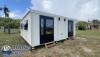
Last update: 5 hours agoSTEM & Aviation Pipeline: Greater Lakes Region Children’s Fund is backing WinnAero’s Aerospace Career Education (ACE) Academy at Laconia Airport, giving students hands-on aviation/STEM exposure and orientation flights—plus a Northern Mariana Islands participant pursuing Naval Academy pilot dreams. Disaster Tech for CNMI Recovery: FlyGuys and TerraFort say AI-assisted drone damage assessments cut post–Super Typhoon Sinlaku timelines to about 10 days, covering 4,135 residential structures to speed relief planning. Defense & CNMI Priorities: The U.S. House passed the FY2027 NDAA with CNMI-focused measures: a Saipan geothermal resource study, a security risk review for infrastructure tied to military operations, and expanded CNMI student access to service academies. Local Power & Telecom Restoration: CUC reports new power restoration materials arriving after Sinlaku/Bavi, while IT&E and Docomo Pacific briefed the PUC that mobile service is largely up on Saipan/Tinian but Rota remains the hardest hit. Housing for Storm Displacement: ReadyPod/BoxHouse donated rapid-deploy BoxHouse homes for typhoon-displaced families, including veterans, as CNMI recovery continues. Visa Waiver Push: CNMI lawmakers and Guam officials renewed efforts to add the Philippines to the Guam-CNMI Visa Waiver Program, citing tourism, business, and family reunification. Saipan Politics: Mayor RB Camacho filed for a second term, emphasizing public safety and drug enforcement. Education Resilience on Rota: Rota schools begin recovery after Bavi, with damage largely limited to solar/power equipment thanks to prior storm preparation.
Note: AI summary from news headlines; neutral sources weighted more to help reduce bias in the result. Feedback is welcome. Please let us know if you have any comments or suggestions about the AGP Executive Report.
 Perspectify News